.png)
SEL Strategies for Native Youth
- Kerrie Troseth
- Sep 24, 2025
- 3 min read

Supporting Native students in their academic and personal growth requires thoughtful, culturally responsive approaches. Social emotional learning (SEL) plays a vital role in helping these students build resilience, confidence, and a sense of belonging. When schools adopt effective SEL strategies for schools, they create environments where Native students can thrive. I want to share practical, impactful ways to integrate SEL that honor Native cultures and meet students' unique needs.
Understanding the Importance of SEL for Native Students
Social emotional learning is more than just teaching skills like managing emotions or building relationships. For Native students, SEL connects deeply with identity, community, and cultural values. When we recognize this, we can tailor SEL strategies to support their whole selves.
Native students often face challenges such as historical trauma, cultural disconnection, and systemic barriers. SEL helps address these by fostering emotional safety and cultural pride. It encourages students to express themselves authentically and develop healthy coping skills.
To make SEL truly impactful, schools must:
Incorporate Native cultural teachings and traditions into SEL lessons.
Create safe spaces where students feel seen and heard.
Engage families and tribal communities in the learning process.
Train educators to understand Native histories and perspectives.
By doing this, SEL becomes a bridge that connects academic success with personal well-being.

Effective SEL Strategies for Native Youth
Implementing SEL strategies for Native youth requires intentionality and respect. Here are some proven approaches that educators and counselors can use:
1. Culturally Responsive Curriculum
Integrate Native stories, languages, and values into SEL lessons. For example, use traditional stories to teach empathy or respect. This approach validates students' identities and makes learning relevant.
2. Mindfulness and Healing Practices
Incorporate mindfulness techniques rooted in Native traditions, such as smudging or nature walks. These practices help students manage stress and connect with their heritage.
3. Collaborative Community Projects
Encourage students to work on projects that benefit their communities. This builds leadership skills and reinforces cultural pride.
4. Family and Tribal Engagement
Invite families and tribal leaders to participate in SEL activities. Their involvement strengthens trust and ensures cultural accuracy.
5. Professional Development for Staff
Provide ongoing training on Native history, trauma-informed care, and culturally responsive teaching. Educators equipped with this knowledge can better support students' social and emotional needs.
These strategies create a supportive environment where Native students feel empowered to succeed.
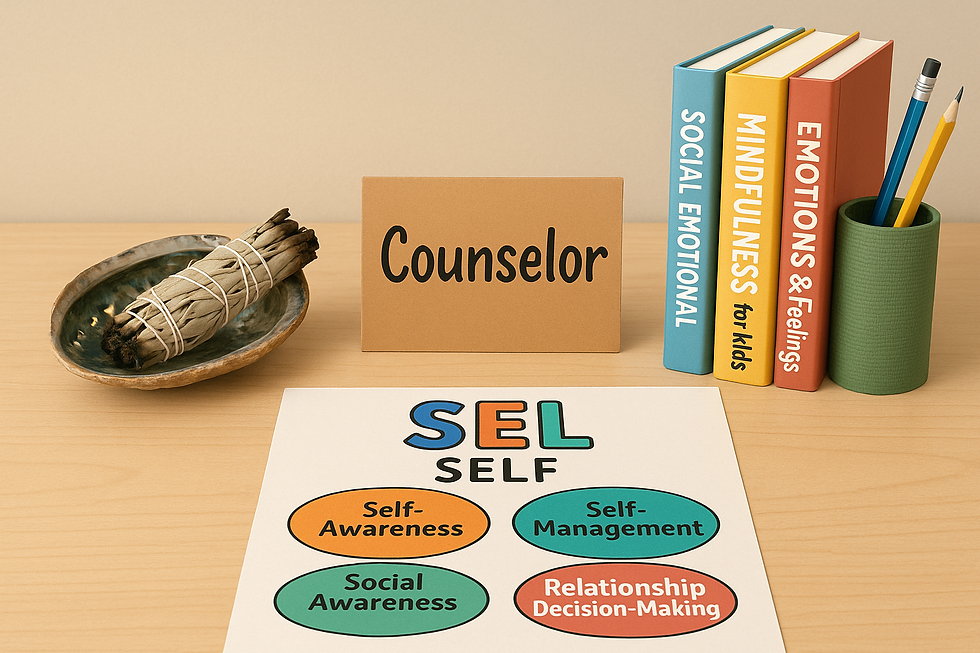
What are examples of SEL in the classroom?
Incorporating SEL into daily classroom activities helps Native students develop essential skills in a natural, engaging way. Here are some examples:
Circle Time Discussions: Start the day with a talking circle where students share feelings or stories. This practice builds community and communication skills.
Role-Playing Scenarios: Use role-play to teach conflict resolution and empathy. Students can act out situations relevant to their experiences.
Cultural Expression Projects: Assign art, music, or writing projects that allow students to explore and express their cultural identities.
Emotion Check-Ins: Use visual tools like emotion charts to help students identify and regulate their feelings.
Goal Setting and Reflection: Guide students to set personal goals and reflect on their progress, fostering self-awareness and motivation.
These classroom practices support emotional growth while honoring Native traditions and values.

Building Strong Relationships Through SEL
Relationships are the foundation of effective SEL. For Native students, strong connections with teachers, counselors, and peers create a sense of belonging and trust. Here’s how to build these relationships:
Show Genuine Interest: Learn about each student’s background, interests, and family.
Practice Active Listening: Give students your full attention and validate their feelings.
Use Strength-Based Language: Focus on students’ strengths and potential rather than deficits.
Create Mentorship Opportunities: Pair students with mentors who understand their cultural context.
Encourage Peer Support: Facilitate group activities that promote cooperation and respect.
When students feel valued and supported, they are more likely to engage and succeed.
Moving Forward with SEL: A Call to Action
Implementing impactful SEL strategies for Native students is a journey that requires commitment and collaboration. Schools can start by assessing their current practices and identifying areas for growth. Partnering with organizations like Four Directions Educational Consulting Services (4DECS) can provide valuable guidance and resources.
Remember, SEL is not a one-size-fits-all solution. It must be adapted to honor the unique experiences and cultures of Native students. By embracing culturally responsive social emotional learning strategies, we help students build the skills and confidence they need to thrive academically and personally.
Together, we can create nurturing environments where Native students feel empowered to succeed through graduation and beyond.


Comments